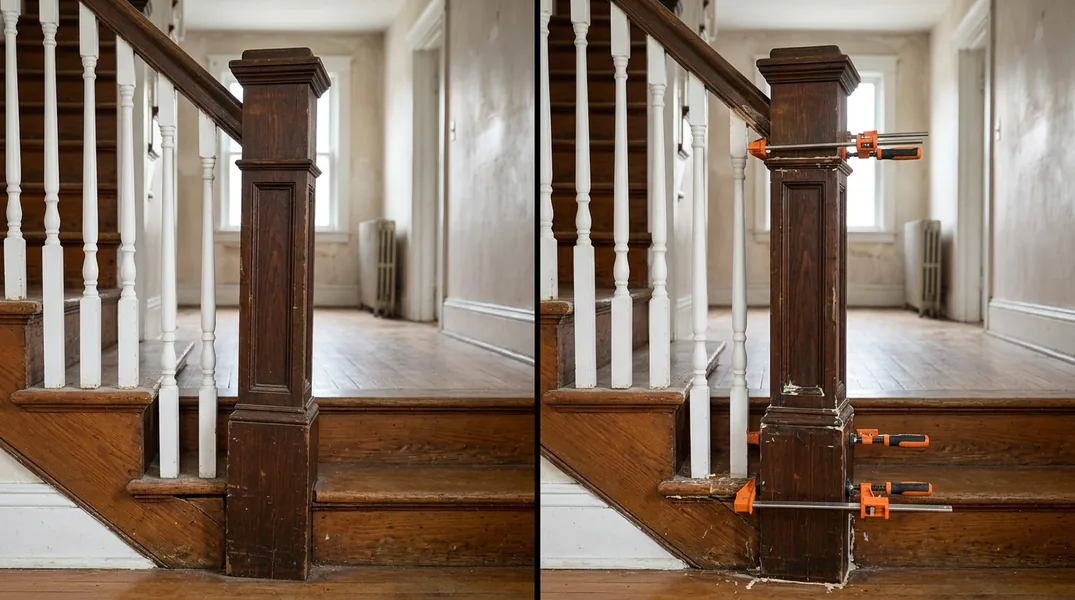
Buffalo's Freeze-Thaw Cycle: The Hidden Threat to Your Home's Foundation
If you live in Buffalo, you know winter is relentless. The region experiences one of the most extreme freeze-thaw cycles in the United States, with temperatures regularly plummeting below freezing and then warming above 32 degrees Fahrenheit multiple times each winter. This constant temperature fluctuation is not just uncomfortable for residents; it's actively working against your home's structural integrity.
When soil around your foundation freezes, it expands. When it thaws, it contracts. This repetitive movement, happening dozens of times throughout a Buffalo winter, gradually shifts your foundation. Unlike a single earthquake or catastrophic event, this movement is subtle and cumulative, which is why many homeowners don't realize their foundation is settling until they notice doors that won't close properly or floors that feel uneven underfoot. The problem compounds year after year, making early detection and intervention critical.
Why Your Doors Won't Close Properly: The Foundation Connection
One of the most common complaints we hear at Buffalo Carpentry is, 'My door won't close properly anymore.' Homeowners often assume it's a simple hinge adjustment or that the door has warped from humidity. While those are possible causes, the real culprit is frequently foundation settling caused by freeze-thaw cycles. When your foundation shifts even a quarter-inch, the door frames attached to it shift too, throwing the entire geometry out of alignment.
Think of your home like a house of cards. The foundation is the table, and everything else is built on top of it. When the table moves, every card above it is affected. A sticking door in your entryway or bedroom isn't just an inconvenience; it's often a warning sign that your foundation has moved. The door may stick at the top, the bottom, or the latch side, depending on which direction the frame has shifted. If you're experiencing sticking doors in your house, especially if multiple doors are affected, it's time to have a professional assess whether foundation movement is the underlying cause. Ignoring this sign can lead to more serious structural issues down the road.
Uneven Floors and House Settling: What's Normal and What's Not
Older homes in Amherst, Cheektowaga, and throughout the Buffalo region often have slightly uneven floors. Some settling is normal over a home's lifetime, especially in houses built before modern foundation standards. However, there's a significant difference between minor, stable settling that occurred decades ago and active, ongoing movement caused by seasonal freeze-thaw cycles.
If you've noticed that your floors have become noticeably uneven recently, or if the slope seems to be getting worse year after year, this suggests active foundation movement rather than historical settling. You might notice that a marble or ball rolls across your floor, or that you feel like you're walking downhill in one direction. These are red flags. Uneven floor repair often requires addressing the root cause, which is typically foundation movement. In some cases, this involves Floor Joist & Subfloor Repair or even Beam Replacement & Load-Bearing Wall Removal if the structural damage is significant. The longer you wait to address active settling, the more extensive and expensive the repairs become.
How Freeze-Thaw Movement Leads to Wood Rot and Structural Decay
Foundation movement doesn't just cause cosmetic problems like sticking doors and uneven floors. It creates conditions that accelerate structural deterioration. When your foundation shifts, it can create cracks and gaps that allow water infiltration. In Buffalo's harsh climate, water that enters your foundation freezes and expands, making existing cracks larger and creating new ones. This moisture also migrates into your basement, crawl space, and the wood framing above.
Excess moisture is the primary cause of Wood Rot & Dry Rot Repair issues. When wood stays damp, fungal spores germinate and begin breaking down the wood's cellular structure. What starts as a small area of soft wood in a basement rim joist can eventually compromise the entire beam system supporting your home. Foundation movement accelerates this process because it creates the water entry points and stress fractures that allow moisture to penetrate deeper into your structure. If you're experiencing both foundation movement symptoms (sticking doors, uneven floors) and signs of wood rot (soft spots, discoloration, musty odors), you're dealing with a compounding problem that requires immediate professional attention.
Wood Rot & Dry Rot Repair Near Me: When to Call Buffalo Carpentry
If you're searching for wood rot and dry rot repair services in your area, the time to act is now. Foundation movement and moisture damage are progressive problems that worsen with each freeze-thaw cycle. The longer you delay, the more structural wood becomes compromised, and the more expensive your repairs will be. At Buffalo Carpentry, we've repaired hundreds of homes affected by freeze-thaw damage, and we can tell you with certainty that early intervention saves money and prevents catastrophic failure.
Our team starts with a thorough structural assessment. We look for signs of foundation movement, water intrusion, wood decay, and compromised framing. We then develop a repair plan tailored to your home's specific situation. This might involve foundation stabilization, moisture control, wood replacement, or a combination of approaches. We don't believe in band-aid solutions. We address root causes so your home stays safe and sound for decades to come. If you're noticing sticking doors, uneven floors, or any other signs of structural stress, reach out to us for a free estimate. You can also call us at (716) 322-4288 to discuss your concerns with one of our experienced carpenters.
Taking Action: Inspection, Repair, and Prevention
The good news is that foundation movement and the damage it causes are preventable and repairable with the right approach. The first step is professional inspection. A trained eye can spot the early warning signs that most homeowners miss. Small cracks in basement walls, minor water staining, or subtle floor slopes might seem insignificant on their own, but together they tell a story of active foundation stress that needs addressing.
Once problems are identified, repair options depend on severity. Minor settling might require only monitoring and preventive moisture control. More significant movement may require foundation underpinning, beam reinforcement, or wood replacement. The key is catching problems early when repairs are simpler and less costly. Prevention is equally important. Proper drainage around your foundation, sump pump maintenance, and gutter cleaning all reduce water infiltration and slow the freeze-thaw cycle's impact. If you're ready to protect your home from Buffalo's harsh winters, contact Buffalo Carpentry today for a comprehensive evaluation and free estimate. Call (716) 322-4288 or visit our website to learn more about our services and pricing options.
Looking for a professional carpentry contractor in Buffalo? Buffalo Carpentry responds fast for all your carpentry needs.
Get a Free QuoteOur services: Wood Rot & Dry Rot Repair · Termite Damage Repair · Floor Joist & Subfloor Repair