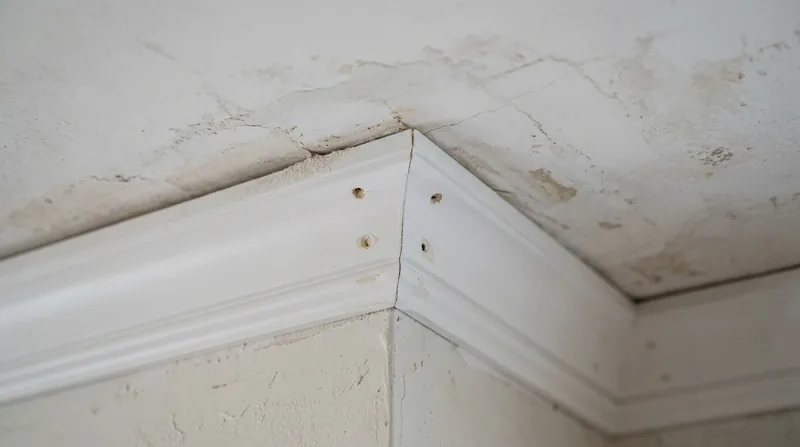




Crown molding and baseboard installation in Buffalo is a signature finish carpentry service that transforms rooms with crisp trim lines, period-appropriate profiles, and the kind of detail work that separates a well-finished home from an ordinary one. Buffalo's architectural legacy, from the grand Victorian and Queen Anne mansions of Allentown and Elmwood Village to the Frank Lloyd Wright-designed Darwin Martin House in Parkside, the working-class two-family homes across the East Side, and the bungalows and post-war ranches that fill North Buffalo and the suburbs, demands trim work that respects the home's original character or establishes a clean, modern aesthetic. Our crew installs coped joints, scribes baseboards to uneven floors and walls, matches existing Victorian or period profiles, and finishes with clean caulk lines that hold up to Buffalo's freeze-thaw cycles and seasonal humidity swings. Whether you're restoring a century-old home or refreshing a mid-century ranch, we handle the material selection, layout, and installation so the trim looks built in, not applied.
Why Crown Molding and Baseboard Trim Matter in Buffalo's Historic Homes
Buffalo's housing stock spans more than a century, and much of it was built with substantial trim details that define the rooms they frame. Crown molding and baseboards aren't just cosmetic, they protect walls from impact, conceal the transition between wall and floor or ceiling, and anchor the visual proportions of a space. In older homes, original trim is often worth restoring; in newer ones, quality trim installation establishes a finished, intentional look. Buffalo's seasonal moisture and temperature swings, from lake-effect snow and freeze-thaw cycles to humid summers, demand trim materials and installation methods that won't shrink, crack, or separate at coped joints over time.
- We select trim materials (pine, poplar, or hardwood) based on your home's era, existing profiles, and moisture exposure.
- Coped joints at inside corners provide a seamless appearance that stays tight as wood moves seasonally.
- We scribe baseboards to fit uneven floors and walls, so trim sits flush without visible gaps.
- Clean caulk lines at the wall-trim junction hide minor irregularities and create a tailored finish.
- We match existing Victorian, Craftsman, or period profiles in historic homes, or install clean modern profiles in updated spaces.
Proper trim installation protects wall surfaces, improves the room's finished appearance, and adds to the home's resale appeal and livability.
Key info: Buffalo's Victorian-era homes in neighborhoods like Elmwood Village and Allentown often have original 4- to 6-inch crown molding with plaster details. Restoring or matching these profiles requires careful material selection and hand-finishing techniques that mass-market trim shops cannot deliver. We source matching profiles and install them using traditional coped joint methods.
For more detail on how trim ties into overall finish carpentry, see our finish and trim carpentry service page.
How We Install Crown Molding and Baseboards: Our Process
Crown molding and baseboard installation begins with a careful site assessment. We measure the room, identify walls that are out of plumb or out of level (common in Buffalo's older homes), select materials that match the home's character, and plan the layout so seams fall in inconspicuous locations. For crown molding, we locate wall studs and ceiling joists to ensure solid fastening; for baseboards, we account for uneven floors and walls by scribing the trim to fit snugly. We cut coped joints at inside corners so the trim profiles nest together perfectly, eliminating the gaps that develop when simple miter joints shrink. Caulk is applied at the wall-trim junction and sanded smooth for a seamless look.
- We measure the room and identify existing trim profiles, wall condition, and structural irregularities before material selection.
- Crown molding is fastened to wall studs and ceiling joists with finish nails or screws, ensuring it won't sag or separate.
- Baseboards are scribed to fit the floor profile, so trim sits flush even on uneven surfaces common in century-old homes.
- Inside corners are coped, not mitered, so the joint stays tight as the wood moves with seasonal humidity changes.
- Caulk is applied at the wall-trim interface, sanded, and finished to match the paint or stain.
- Outside corners are mitered and reinforced with finish nails or pocket screws for strength and appearance.
The result is a finished trim installation that looks built-in and performs reliably through Buffalo's temperature and humidity cycles.
Example: A Kenmore homeowner had a 1960s ranch with flat, modern baseboard and no crown molding. We installed 2.25-inch colonial-style baseboard throughout, added 4-inch crown molding to the living and dining areas, and coped all inside corners. The work took three days and cost $1,850. The home immediately felt more finished and intentional, and the trim installation helped prepare the space for a full interior refresh.
For related interior finishing work, see our page on custom built-ins and shelving, which often incorporates trim details similar to crown and baseboard installation.
Crown Molding and Baseboard Installation Methods
| Approach | Description | Best for |
|---|---|---|
| Coped Joint Installation | Inside corners are cut using a coping saw so the trim profiles nest together without gaps. The joint stays tight as wood moves with humidity and temperature changes. | Historic homes, high-visibility rooms, any installation where a seamless joint is essential. |
| Scribed Baseboard | Baseboard is shaped to fit the exact profile of the floor and walls, so it sits flush even on uneven surfaces. Common in older Buffalo homes with settled or sloping floors. | Homes with uneven floors or walls, period restoration work, any room where gaps between trim and floor must be eliminated. |
| Profile Matching | Existing crown or baseboard profiles are measured and matched in new sections. Materials and finishes are selected to blend seamlessly with original trim. | Restoration projects, additions to existing trim runs, Victorian or period homes where original profiles must be preserved. |
| Modern Crisp Install | Clean, contemporary trim profiles (often flat or minimalist) are installed with precision caulking and finish painting. Emphasizes straight lines and tight joints. | Updated homes, contemporary interiors, new construction, rooms where a modern aesthetic is desired. |
Crown Molding and Baseboard Installation Cost in Buffalo: What to Expect
Crown molding and baseboard installation costs depend on the trim profile selected, the linear feet of trim needed, the condition of the walls and floors, and the complexity of the room layout. Simple, straight runs of baseboard cost less than rooms with multiple inside corners, outside corners, and transitions. Coped joints and scribed baseboards require more labor than simple miter cuts, so rooms with many inside corners will cost more per linear foot. Material costs vary by species and profile, pine and poplar are economical choices, while hardwoods and custom profiles increase the price. Most residential trim installations in Buffalo start at $450 for a single room with straightforward geometry and simple profiles.
- Linear feet of trim and the number of inside and outside corners are the primary cost drivers.
- Coped joints and scribed baseboards add labor time compared to simple miter joints.
- Material selection (pine, poplar, hardwood, custom profiles) affects the per-linear-foot cost.
- Wall and floor condition, uneven surfaces require more scribing and fitting, increases labor.
- Existing trim that must be removed or matched adds to the overall project scope and cost.
We recommend getting two or three estimates from local carpenters so you can compare material choices, labor approaches, and pricing. A detailed estimate should include the linear feet of trim, the material grade and profile, the number of coped joints, any scribing or fitting work, caulking and finish, and the total labor and material cost. See our pricing overview for more detail on typical costs and factors that affect your final quote.
What to Look for When Hiring a Carpentry Contractor Near Me: Crown Molding and Baseboard Installation in Buffalo
Choosing the right carpenter for crown molding and baseboard installation is important because the quality of the trim work defines the finished appearance of your home. A skilled carpenter will understand how to handle uneven walls and floors, cut tight coped joints that stay flush over time, match existing profiles in historic homes, and finish the work with clean caulk lines and paint. Before you hire, ask to see examples of previous trim installations, request references from recent customers, and make sure the carpenter is fully insured and carries the appropriate city contractor credentials.
- Ask the contractor to show photographs or take you to a completed project so you can assess the quality of coped joints, caulking, and finish work.
- Request references from at least two customers who had similar trim work done, and contact them to ask about the contractor's attention to detail and communication.
- Verify that the contractor is fully insured and holds a valid City of Buffalo Contractor License (Chapter 144) or equivalent credentials in your service area.
- Get a written estimate that breaks down material costs, labor costs, and the scope of work so you understand what is included and what is not.
- Ask whether the contractor will handle material selection and sourcing, or whether you will purchase trim and deliver it to the site.
- Clarify the timeline, payment schedule, and what happens if the project scope changes during installation.
Taking time to hire the right carpenter will ensure your trim installation is professional, long-lasting, and adds real value to your home. Contact us for a free estimate and to discuss your trim project in detail.
Crown Molding & Baseboard Installation in Buffalo: Pricing Guide
| Service | Price | Details |
|---|---|---|
| Single room baseboard installation | Starting at $450 | Simple profile, straightforward layout, includes material, coping, caulking, and finish paint application. |
| Crown molding installation | Starting at $600 | Includes material selection, fastening to studs and joists, coped inside corners, caulking, and finish paint. |
| Combined crown and baseboard | Starting at $950 | Full room installation with both crown and baseboard, coped joints, scribed baseboards, caulking, and finish. |
| Profile matching or restoration trim | On estimate | Historic or custom profiles require site measurement and material sourcing; final cost depends on complexity and linear feet. |
| Travel | Included | No separate mileage fee or travel charge within Buffalo and surrounding service areas. |
| Free estimate | No obligation | Call (716) 322-4288 for a response within 24 hours and an on-site or phone consultation. |
Indicative pricing, the exact cost depends on square footage, finish, and site access. Free personalized estimate within 24h at (716) 322-4288.


