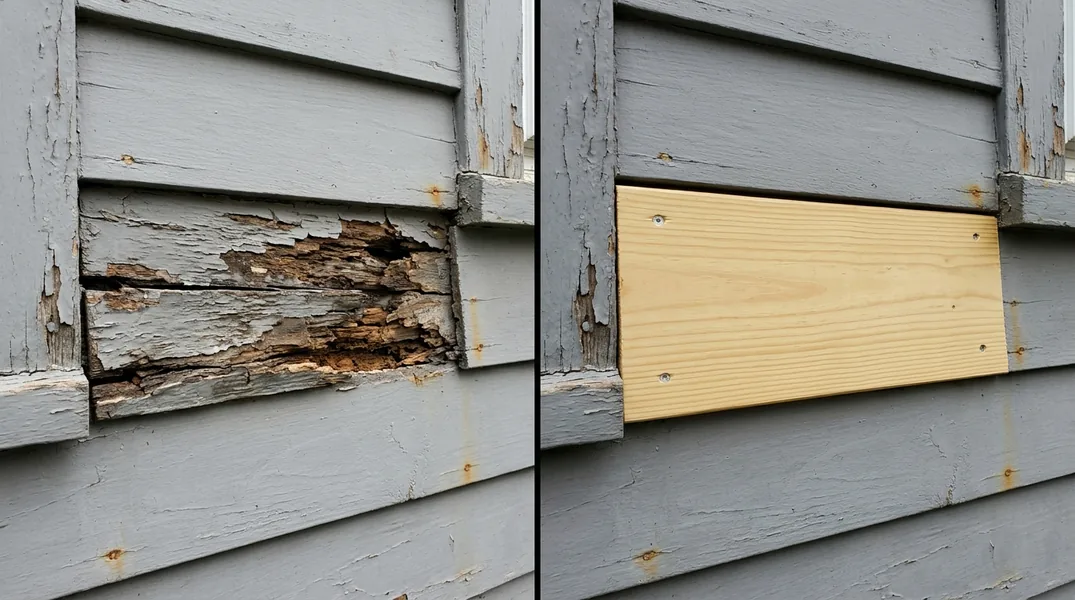
How Lake-Effect Snow and Ice Accelerate Wood Rot in Buffalo
Buffalo sits in one of North America's most intense lake-effect snow zones. Every winter, moisture-laden air from Lake Erie collides with cold continental air, dumping enormous amounts of snow and ice on our region. While this natural phenomenon defines our winters, it also creates a perfect storm for wood deterioration on homes and buildings throughout the area.
Wood rot thrives in moisture, and our climate delivers exactly that. When snow accumulates on roofs, gutters, and exterior trim, it melts and refreezes repeatedly throughout the season. This constant cycle of wet and frozen conditions forces water into wood fibers, causing them to swell and contract. Over time, this stress weakens the wood's structural integrity and creates openings where water penetrates deeper. Combined with our cold temperatures, this moisture remains trapped in wood for extended periods, creating ideal conditions for fungal growth that causes both dry rot and wet rot.
The problem intensifies because many homes in Buffalo were built decades ago with wood materials that have already weathered countless freeze-thaw cycles. Without proper maintenance and timely repairs, this accumulated damage compounds year after year, making wood rot one of the most common structural issues we see in our service area.
Signs of Wood Rot: What Buffalo Homeowners Should Watch For
Knowing the signs of wood rot is essential for catching damage early, before it becomes a costly structural problem. The most obvious indicator is visible discoloration or darkening of wood surfaces, particularly on exterior trim, fascia boards, and window frames. You might notice the wood appears darker than surrounding areas, or has taken on a grayish or blackish tone. This discoloration often signals that fungal decay has already begun breaking down the wood's cellular structure.
Another critical sign is soft or spongy wood that yields easily to pressure. If you press your finger or a screwdriver into suspect wood and it sinks in rather than remaining firm, wood rot is likely present. You may also notice peeling or bubbling paint, which occurs because rotting wood beneath the paint surface is expanding and contracting unevenly. In advanced cases, wood may become so soft that it crumbles or can be dug out with a tool.
Additional warning signs include a musty odor around affected areas, visible cracks or splits in wood that seem to follow the grain pattern, or wood that feels abnormally light and brittle. Some homeowners notice small holes or tunnels in wood, which might indicate termite damage rather than rot, though both problems often occur together. If you spot any combination of these warning signs on your home's exterior, it's time to call a professional for an inspection. The sooner you address wood rot, the less expensive and invasive the repair work becomes.
Exterior Wood Rot Repair: Why Professional Help Matters
Exterior wood rot repair requires more than simply replacing damaged boards. A proper repair involves identifying the moisture source that caused the rot in the first place, removing all compromised wood, treating the surrounding area to prevent recurrence, and installing new materials that can withstand Buffalo's harsh climate. Attempting DIY repairs often fails because homeowners address only the visible damage without solving the underlying moisture problem, meaning rot returns within a few years.
Professional carpenters have the expertise to assess how deep the damage extends, whether structural elements like beams or framing are affected, and what combination of repairs and preventative measures your home needs. For instance, if rot appears in fascia boards, a professional will check whether the underlying roof structure or gutters have been compromised. If rot is found in window frames, they'll evaluate whether the entire window assembly needs replacement or if selective wood repair is sufficient. This comprehensive approach prevents future problems and protects your home's long-term value.
At Buffalo Carpentry, our team understands the specific challenges that lake-effect winters create for wood structures throughout the region. We use quality materials designed for our climate and apply proven techniques to ensure repairs last for decades. Whether your damage is limited to trim and fascia or extends to structural components, we provide solutions tailored to your home's needs and your budget.
Dry Rot vs. Wet Rot: Understanding Buffalo's Wood Decay Problem
Many homeowners use the terms dry rot and wet rot interchangeably, but they represent different types of fungal decay with distinct causes and solutions. Wet rot occurs in wood that remains consistently damp or waterlogged, which is the most common form of wood deterioration in Buffalo's climate. Wet rot fungus requires moisture levels above 20 percent to thrive, and our winters provide exactly those conditions. Wet rot typically develops more slowly than dry rot but can still cause serious structural damage if left untreated.
Dry rot repair addresses a different problem. Despite its name, dry rot still requires moisture to develop, but it can spread through wood that appears relatively dry to the touch. Dry rot fungus produces enzymes that break down the wood's cellulose, leaving behind a brittle, crumbly material. What makes dry rot particularly dangerous is its ability to spread rapidly and travel through wood, sometimes affecting areas that aren't visibly wet. This makes it harder to detect and more destructive if discovered late.
In Buffalo, both types of decay occur, but wet rot from our persistent moisture is more common. The key difference in treatment is that wet rot control focuses on eliminating the moisture source, while dry rot often requires more aggressive removal and replacement of affected wood. Professional inspection is the only reliable way to determine which type of decay you're dealing with and what repair strategy will work best for your home.
Preventing Wood Rot: Maintenance Steps for Buffalo Homeowners
Prevention is always more cost-effective than repair, and Buffalo homeowners can take several proactive steps to minimize wood rot risk. Start by ensuring your gutters and downspouts are clean and functioning properly. Clogged gutters allow water to back up and soak into fascia boards and siding, creating the exact conditions where rot develops. Clean gutters at least twice yearly, in fall and spring, and ensure downspouts direct water at least four feet away from your home's foundation.
Inspect exterior wood surfaces annually, paying special attention to areas that receive less sun and dry more slowly, such as north-facing walls and shaded corners. Check caulking around windows and doors, and recaulk any gaps where water could penetrate. Maintain proper ventilation in attics and crawl spaces, as trapped moisture accelerates rot development. If you notice any soft spots or discoloration, address them immediately rather than waiting for the problem to worsen.
Finally, consider applying a quality wood stain or sealant to exposed exterior wood every three to five years. These protective coatings slow moisture absorption and extend the life of wood dramatically. However, no sealant is permanent in Buffalo's climate, so regular reapplication is essential. If you're uncertain about your home's condition or need professional guidance on preventative maintenance, Buffalo Carpentry is ready to help. Contact us at (716) 322-4288 or request a free estimate to discuss your home's specific needs.
Wood Rot & Dry Rot Repair Cost in Buffalo: What to Budget
The cost of wood rot repairs in Buffalo varies significantly depending on the extent of damage, the location of affected wood, and whether structural elements are involved. Minor repairs limited to trim boards or fascia might cost between $500 and $2,000, while more extensive damage affecting multiple areas or structural components can easily exceed $5,000 or more. The key factor is how much wood must be removed and replaced, and whether addressing the underlying moisture problem requires additional work like gutter repair, roof work, or drainage improvements.
One reason to address wood rot quickly is that costs rise dramatically as damage spreads. A small area of rot caught early might require replacing a few boards and applying treatment. The same problem left unattended for two or three years could spread to adjacent wood, compromise structural integrity, and require removal and replacement of much larger sections. In extreme cases, structural repairs like Floor Joist & Subfloor Repair or Beam Replacement & Load-Bearing Wall Removal become necessary, multiplying costs significantly.
To understand what your specific situation will cost, the best approach is to request a detailed inspection and free estimate from a qualified professional. Buffalo Carpentry provides transparent pricing and honest assessments of what repairs your home actually needs. We'll explain the scope of work, discuss your options, and help you understand the long-term value of addressing wood rot promptly. Call us at (716) 322-4288 to schedule your inspection today.
Looking for a professional carpentry contractor in Buffalo? Buffalo Carpentry responds fast for all your carpentry needs.
Get a Free QuoteOur services: Wood Rot & Dry Rot Repair · Termite Damage Repair · Floor Joist & Subfloor Repair