Why Is My Floor Sagging? Common Causes in Older Buffalo Homes
If you own an older home in Buffalo, you may have noticed that your floors aren't quite level anymore. That gradual dip or bounce underfoot isn't just annoying, it's a warning sign that something structural needs attention. Sagging floors develop for several reasons, and understanding the root cause is the first step toward a proper repair.
The most common culprit in aging Buffalo homes is Wood Rot & Dry Rot Repair affecting the floor joists and beams that support your home. Western New York's humid climate and freeze-thaw cycles create ideal conditions for wood decay. When moisture penetrates wooden structural members, rot weakens the wood from the inside out, causing it to lose its load-bearing capacity. A joist that once could support significant weight may sag under normal household loads after rot has compromised its integrity. Another frequent cause is Termite Damage Repair, though less common in this region than rot. Termites tunnel through wood, creating hollow passages that dramatically reduce structural strength. Additionally, settling and shifting of foundations over decades can cause beams and joists to shift out of position, creating uneven floors even if the wood itself remains sound. Poor ventilation in crawl spaces and basements accelerates moisture accumulation, which feeds both rot and termite activity.
Understanding Floor Joist Repair and Sistering Floor Joists
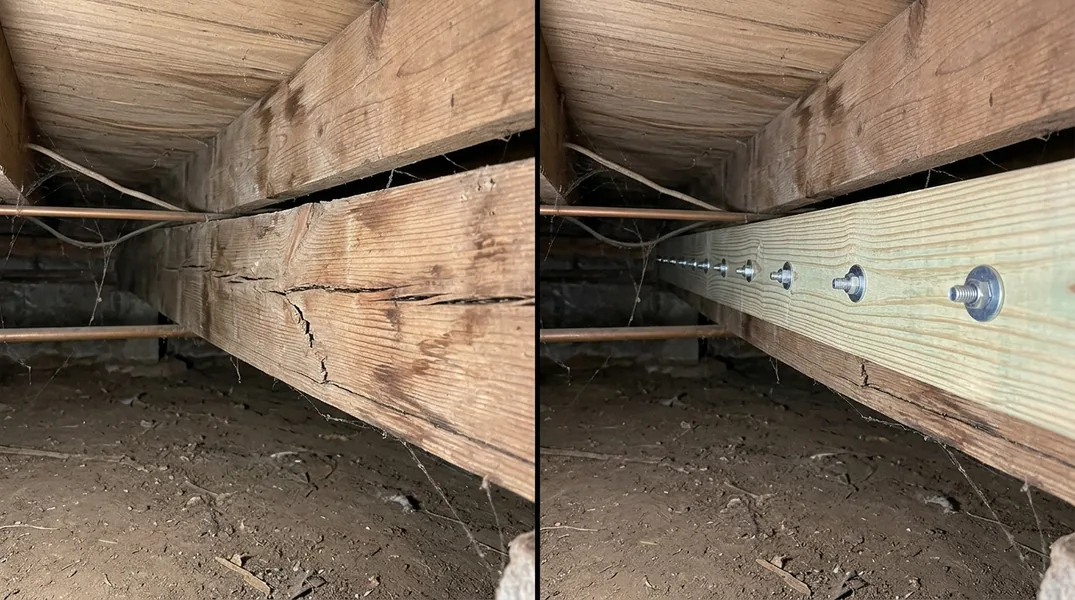
When a floor joist becomes compromised by rot, moisture damage, or structural failure, homeowners have several repair options. The most common and cost-effective solution is a technique called sistering, which is a cornerstone of professional Floor Joist & Subfloor Repair. Sistering involves bolting a new, pressure-treated or solid wood joist alongside the damaged one, effectively doubling the load-bearing capacity of that section of the floor. This approach is particularly valuable because it doesn't require removing the old joist, which would mean temporarily supporting the floor above and disrupting the home's interior.
The sistering process begins with assessment. A qualified carpenter will inspect the damaged joist to determine how much of it is compromised and whether the damage is localized or extends along the entire length. If rot or damage is confined to a section of the joist, sometimes only a portion of the sister joist needs to be installed. The new joist is cut to length, positioned tightly against the existing joist, and secured with bolts spaced every 16 inches or closer. The bolts are critical, as they transfer load from the damaged joist to the new one. Proper sistering requires precision, as gaps between the joists reduce effectiveness. In cases where the entire joist is severely compromised, a full-length sister joist running the entire span may be necessary. This approach restores structural integrity while keeping the repair contained and avoiding the expense and disruption of complete joist replacement.
When to Call a Professional: Floor Joist Repair Near Me
While some homeowners are tempted to tackle floor repairs themselves, sagging floors and joist damage demand professional expertise. The structural consequences of an improperly executed repair can be severe, potentially leading to further settling, cracking walls, or even collapse in extreme cases. A qualified carpenter from Buffalo Carpentry can accurately diagnose the cause of your sagging floor, determine whether sistering, replacement, or another approach is needed, and execute the repair to code.
Signs that you need professional help include noticeable bouncing or movement when walking across the floor, visible gaps between the floor and walls or trim, doors and windows that stick or won't close properly, or visible rot or discoloration on exposed joists in your basement or crawl space. If you've noticed any of these issues in your Buffalo-area home, don't wait. Structural problems worsen over time as wood continues to rot or settle further. Contact Buffalo Carpentry at (716) 322-4288 or request a free estimate to have your floors evaluated by someone who understands the specific challenges of older regional homes.
Sagging Floor Repair Cost in Buffalo: What to Budget
The cost of sagging floor repair varies significantly based on the extent of damage, the length of joists requiring repair, and the underlying cause. A minor repair involving sistering a single joist might cost between $1,500 and $3,500, while more extensive repairs affecting multiple joists or requiring beam work can easily exceed $8,000 to $15,000 or more. Understanding the factors that influence pricing helps you budget appropriately and recognize a fair quote.
The primary cost drivers are the number and length of joists requiring repair, the severity of rot or damage, whether the subfloor needs replacement, and whether structural support systems like beams or posts need reinforcement. If rot is present, the carpenter must remove all compromised wood before installing sister joists, which adds labor and material costs. In some cases, Beam Replacement & Load-Bearing Wall Removal may be necessary if the primary support beam has failed, significantly increasing the project cost. Access also matters. Crawl spaces with limited headroom take longer to work in than basements with adequate clearance. The age and condition of your home's foundation and support system can also influence repair scope. Rather than guessing, get a detailed inspection and written estimate from Buffalo Carpentry. We'll identify exactly what needs fixing and provide transparent pricing so you know what to expect before work begins.
Prevention and Long-Term Solutions for Sagging Floors
Once you've addressed an immediate sagging floor problem, preventing future issues is essential. The key to longevity is moisture control. Ensure that crawl spaces and basements are properly ventilated and that gutters and downspouts direct water away from your foundation. Vapor barriers in crawl spaces reduce moisture accumulation, and sump pumps or drainage systems manage groundwater. Inspect your roof regularly for leaks, as water entering from above can eventually reach structural members. Insulating and sealing rim joists and band boards prevents moisture and pests from accessing your home's frame.
Regular inspections are equally important. Schedule a professional structural assessment every 5 to 10 years, especially if your home is over 50 years old. Early detection of rot or settling can prevent small problems from becoming expensive repairs. If you notice new floor movement, unusual sounds, or changes in how doors fit in their frames, don't ignore them. These are early warning signs. Buffalo Carpentry has helped hundreds of homeowners in Buffalo and surrounding areas preserve their homes' structural integrity. Whether you're dealing with an active problem or want a preventive inspection, we're here to help. Call us at (716) 322-4288 or visit our website to schedule your free estimate today.
Getting Started: Your Next Steps
If you're concerned about sagging floors in your home, the first step is a professional evaluation. Don't wait for the problem to worsen. Structural issues compound over time, and early intervention saves money and prevents damage to other parts of your home. Buffalo Carpentry has the experience and expertise to diagnose sagging floors accurately and recommend the most effective, cost-efficient repair approach for your specific situation.
Reach out today to discuss your concerns. Whether you need a quick consultation or a full structural assessment, Buffalo Carpentry is ready to help. Call (716) 322-4288 or submit a free estimate request online. We serve Buffalo, Amherst, Cheektowaga, Tonawanda, and surrounding communities. Your home's structural health is our priority.
Looking for a professional carpentry contractor in Buffalo? Buffalo Carpentry responds fast for all your carpentry needs.
Get a Free QuoteOur services: Wood Rot & Dry Rot Repair · Termite Damage Repair · Floor Joist & Subfloor Repair