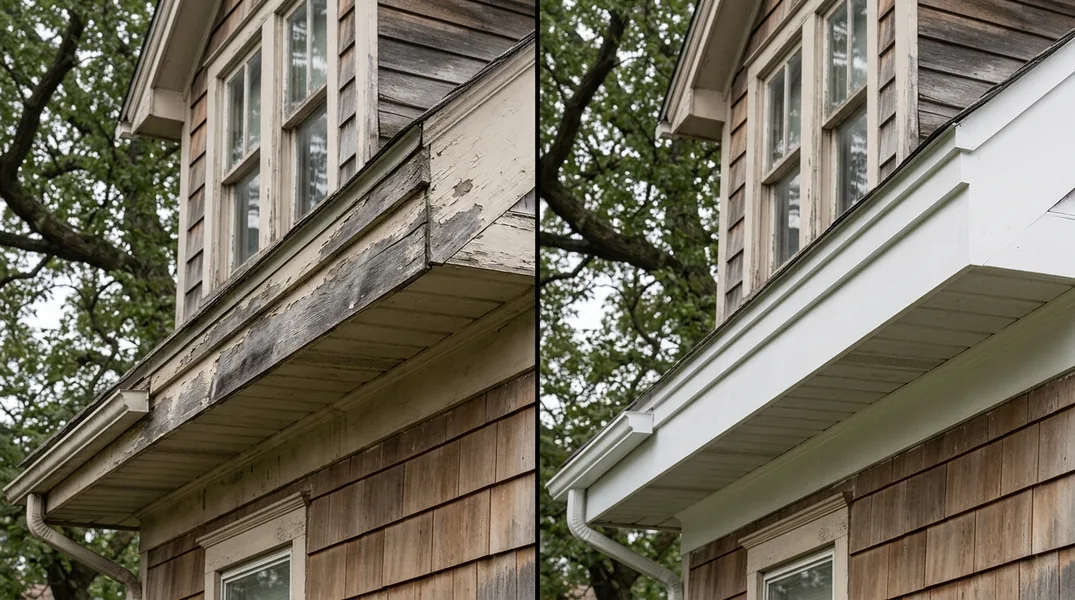
Why Buffalo's Older Homes Face Unique Wood Challenges
If you own a Victorian or two-family home in Buffalo, you're steward of a piece of regional history. These homes, many built in the late 1800s and early 1900s, showcase architectural character that modern construction rarely matches. But that character comes with responsibility. The combination of our harsh Western New York winters, seasonal freeze-thaw cycles, and aging building materials creates an environment where wood deterioration happens faster than most homeowners expect.
Buffalo's climate is particularly demanding on wood structures. Snow loads, ice dams, and the constant cycle of moisture absorption and evaporation take a toll on exterior wood siding, trim, and interior framing. Two-family homes compound the challenge because they often have more complex rooflines, more exterior surface area, and shared structural elements that require coordinated maintenance. When one owner neglects their side, the damage can migrate to the adjacent unit. Understanding this reality is the first step toward protecting your investment.
Spotting the Early Signs of Wood Rot and Dry Rot
The difference between catching wood damage early and facing a catastrophic repair comes down to vigilance. Wood Rot & Dry Rot Repair becomes necessary when wood has already begun to fail, but most homeowners don't know what to look for. Wet rot, the most common form in Buffalo, appears where moisture accumulates: around window frames, door casings, roof edges, and anywhere water can pool or seep into wood. You might notice soft spots when you press on the wood, discoloration or darkening, or paint that peels and bubbles repeatedly in the same spot.
Dry rot is trickier because it can progress silently inside walls and under floors before visible damage appears. It thrives in poorly ventilated spaces and can spread through wood at an alarming rate. The telltale signs include wood that crumbles when you apply pressure, fine dust around affected areas, and a musty odor in basements or crawl spaces. In Victorian homes, pay special attention to ornamental trim, which is often thinner and more vulnerable than modern construction. Two-family homes should have both units inspected regularly, as damage on the roof or shared walls affects everyone.
Historic Home Maintenance: A Preventive Approach
The most cost-effective strategy for Victorian home restoration and two-family home repair is prevention. Regular maintenance catches problems before they become emergencies. This means annual inspections of your roof, gutters, exterior wood, and foundation. Clear gutters of leaves and debris so water drains properly away from the house. Ensure downspouts extend at least four to six feet from the foundation. Caulk gaps around windows and doors before winter arrives. These simple steps keep moisture out, which is the primary enemy of wood longevity.
For Buffalo homeowners with Victorian properties, pay particular attention to ornamental details. These charming architectural features are often the first to fail because they're exposed to weather and harder to maintain. Consider having a professional inspect areas you can't safely access yourself, such as upper roof sections and gable ends. Two-family home owners should coordinate maintenance schedules with neighbors or co-owners to ensure shared elements like roofs and party walls receive consistent care. Neglecting preventive maintenance is like skipping oil changes on a car: the short-term savings evaporate when the engine seizes.
Wood Siding Repair in Buffalo: When to Patch, When to Replace
Wood siding repair decisions depend on the extent of damage and the overall condition of your home's exterior. If rot is limited to a small area and caught early, a skilled carpenter can often remove the damaged section and splice in new wood that matches the original profile. This approach preserves the historic character of Victorian homes while addressing the problem affordably. However, if rot has spread across multiple boards or if the damage has compromised structural integrity, replacement becomes necessary.
For two-family homes, consistency matters aesthetically and functionally. If you're repairing one side, the other owner may want to address similar issues simultaneously. Wood siding also requires regular painting or staining to maintain its protective barrier against moisture. In Buffalo's climate, you should plan on repainting exterior wood every five to seven years. Skipping this maintenance accelerates wood deterioration. When evaluating repair costs, remember that a small repair now prevents a large replacement later. Get a free estimate from Buffalo Carpentry to understand your options and the true scope of any damage.
Foundation and Structural Wood: When Professional Help Is Essential
Some wood damage extends beyond cosmetic concerns and threatens the structural integrity of your home. Floor Joist & Subfloor Repair and Beam Replacement & Load-Bearing Wall Removal are specialized work that requires professional expertise and often building permits. If you notice sagging floors, cracked plaster, doors that no longer close properly, or visible rot in basement beams and joists, these are signs of serious structural issues that demand immediate attention.
Two-family homes are particularly vulnerable because structural problems in one unit can affect the other. A compromised beam or rotted joist system doesn't just create safety hazards, it can lead to catastrophic failure if left unaddressed. This is not a DIY situation and not something to delay. Structural repairs require engineering assessment, proper support systems during work, and often coordination with local building departments. The pricing for structural work varies significantly based on the scope of damage and the complexity of the repair, but the cost of doing nothing far exceeds the cost of professional intervention. Call Buffalo Carpentry at (716) 322-4288 or request a free estimate if you suspect structural damage.
Creating a Maintenance Schedule for Your Buffalo Home
Protecting your Victorian or two-family home requires a systematic approach. Create a maintenance calendar that includes quarterly, annual, and multi-year tasks. Quarterly checks should focus on gutters, downspouts, and obvious exterior damage. Annual inspections should be more thorough, ideally conducted by a professional who can access areas you cannot safely reach. Multi-year projects might include roof replacement, major siding work, or foundation repairs. Document everything: take photos, keep receipts, and note the dates of inspections and repairs. This record becomes valuable if you ever sell the property and helps you track patterns in damage.
For two-family homes, put your maintenance schedule in writing and share it with your co-owner or tenant. Clear communication prevents the situation where one party's neglect becomes everyone's problem. Consider setting aside a maintenance reserve fund each month, so you're not caught off guard by unexpected repairs. Historic home maintenance in Buffalo is an ongoing commitment, but it's far more manageable when you stay ahead of problems. If you're unsure about the condition of your wood structures or need a professional assessment, contact Buffalo Carpentry at (716) 322-4288 to discuss your home's specific needs.
Looking for a professional carpentry contractor in Buffalo? Buffalo Carpentry responds fast for all your carpentry needs.
Get a Free QuoteOur services: Wood Rot & Dry Rot Repair · Termite Damage Repair · Floor Joist & Subfloor Repair